Player Loyalty in Focus: PlayOJO and Insta Casino Case Studies
Willa Meier · Nov 16, 2026
Player Loyalty in Focus: PlayOJO and Insta Casino Case Studies
PlayOJO and Insta Casino have developed distinct loyalty mechanisms that track player activity and distribute rewards through structured point systems and tiered benefits, and these approaches reflect broader industry patterns observed in regulated markets since the early 2020s. Data from multiple jurisdictions shows that such programs often combine cashback, exclusive promotions, and personalized offers to maintain engagement over extended periods.
Core Components of Loyalty Mechanisms
Operators typically calculate loyalty points based on wager volume and game type, then convert those points into credits, free spins, or other incentives at predetermined rates, while tier progression depends on cumulative activity within defined timeframes such as monthly or quarterly windows. According to the Responsible Gambling Council of Canada, these structures appear across many platforms and often include real-time dashboards that display current balances and upcoming rewards. In November 2026 several platforms reported adjustments to point expiration policies in response to updated player feedback data collected throughout the preceding year.
PlayOJO Loyalty Implementation
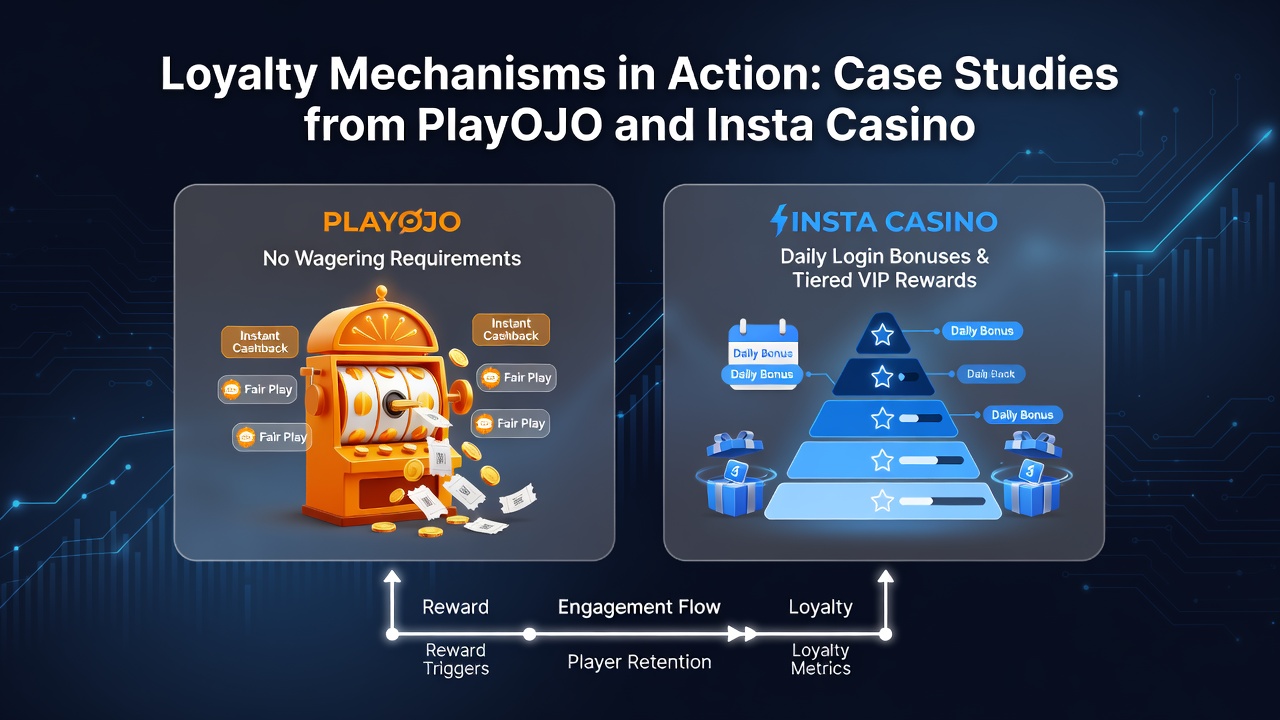
PlayOJO structures its program around a flat cashback rate that applies across most game categories without wagering requirements attached to the returned funds, and players accumulate points through standard play before automatic conversion occurs at the end of each week. The system also features surprise rewards triggered by specific activity milestones, such as consecutive login streaks or particular game selections, and these elements operate alongside a VIP track that unlocks higher cashback percentages and dedicated support contacts as activity thresholds are met. Observers note that the absence of standard wagering conditions on cashback distinguishes this model from many competitors, while the surprise component adds variability that research from the Australian Institute of Family Studies has linked to sustained session lengths in similar reward environments.
Insta Casino Loyalty Implementation
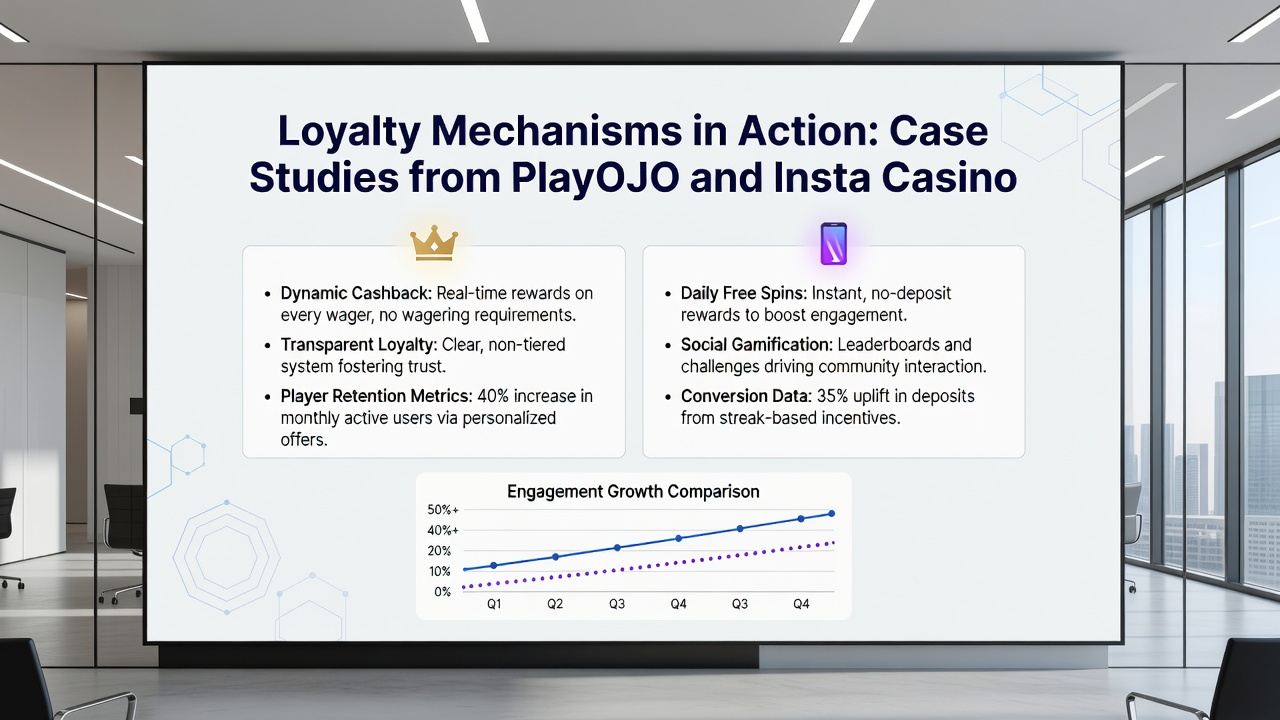
Insta Casino employs a tiered structure where players advance through levels by meeting monthly wager targets, and each tier delivers increasing multipliers on points earned plus access to events such as tournament entries and enhanced withdrawal limits. Points convert into a mix of bonus funds and free spins with varying wagering conditions depending on the tier achieved, and the platform provides weekly progress summaries that highlight remaining requirements for the next level. Those who've examined these systems report that the multiplier effect becomes more pronounced at higher tiers, creating an incentive curve that aligns with patterns documented in industry reports from the International Center for Gaming Regulation at the University of Nevada.
Comparative Patterns Across Both Platforms
Both operators rely on automated tracking of player behavior to deliver rewards, yet they differ in reward timing and conditionality, with PlayOJO emphasizing immediate cashback without additional playthrough and Insta Casino focusing on tier-based multipliers that scale over time. Figures from multiple regulatory filings reveal that platforms using mixed reward types tend to record higher retention metrics during the first six months of player activity compared with single-mechanism approaches, although direct causation remains difficult to isolate. In November 2026 both sites updated their mobile interfaces to surface loyalty balances more prominently, a change that coincided with broader industry movement toward real-time reward visibility.
Conclusion
The mechanisms at PlayOJO and Insta Casino illustrate two variations on the same foundational principle of converting activity into redeemable value, and continued monitoring by academic and regulatory bodies will determine how these models evolve alongside changing player expectations and technological capabilities.